My First Week at SAI: Life, Study, Practice, and Reflections
October 19, 2026 · Personal Growth · 5 min read
On the morning of October 11, 2026, I boarded a high-speed train from Xingtai to Shanghai and arrived in under six hours. I rented a studio room in Xuhui for 2.2k RMB a month, and my advisor gives me a 2k monthly housing allowance. Shanghai in October is no longer as hot as July; the temperature stays in the low 20s every day with barely any swing. Here is my room:
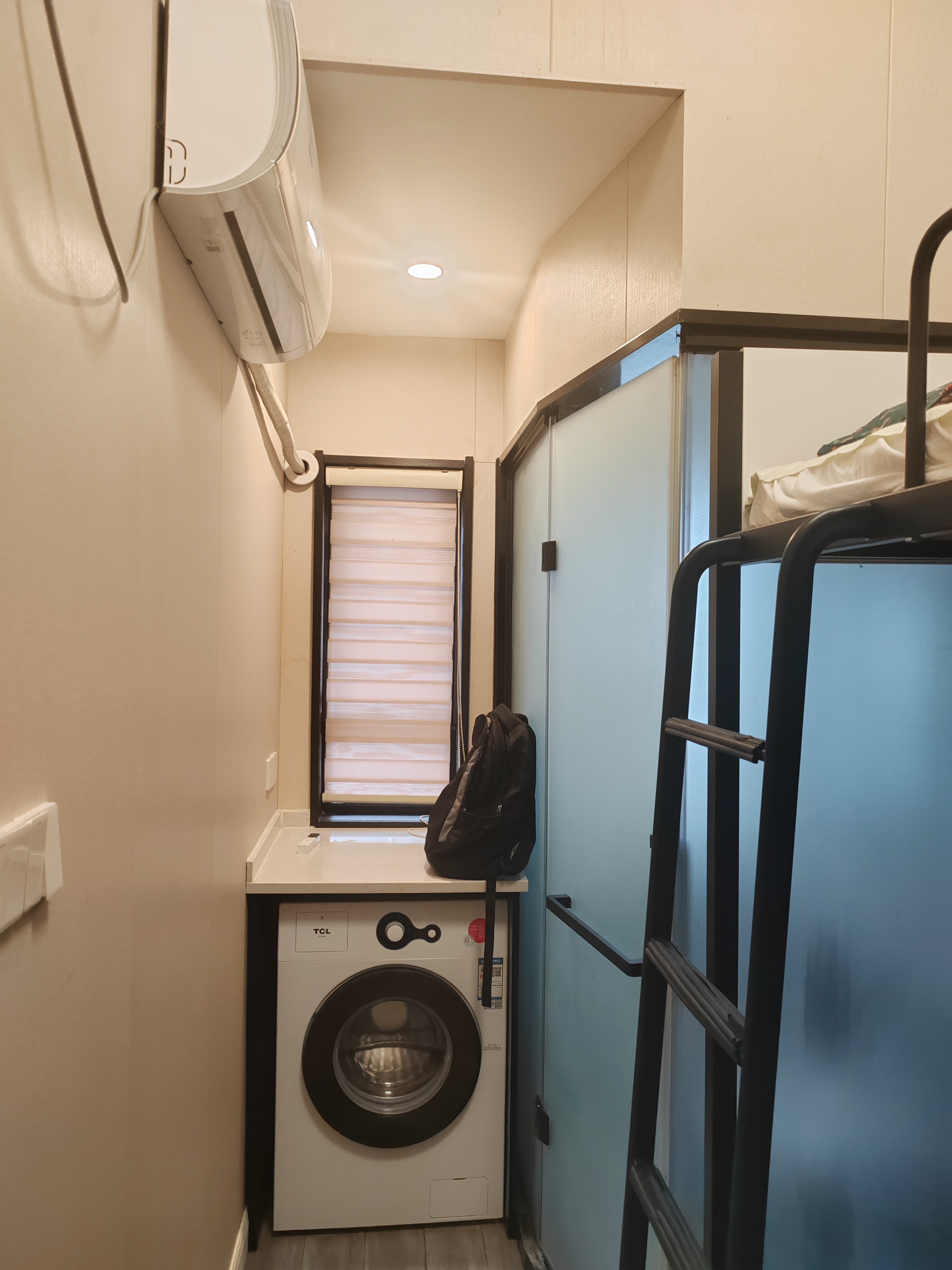
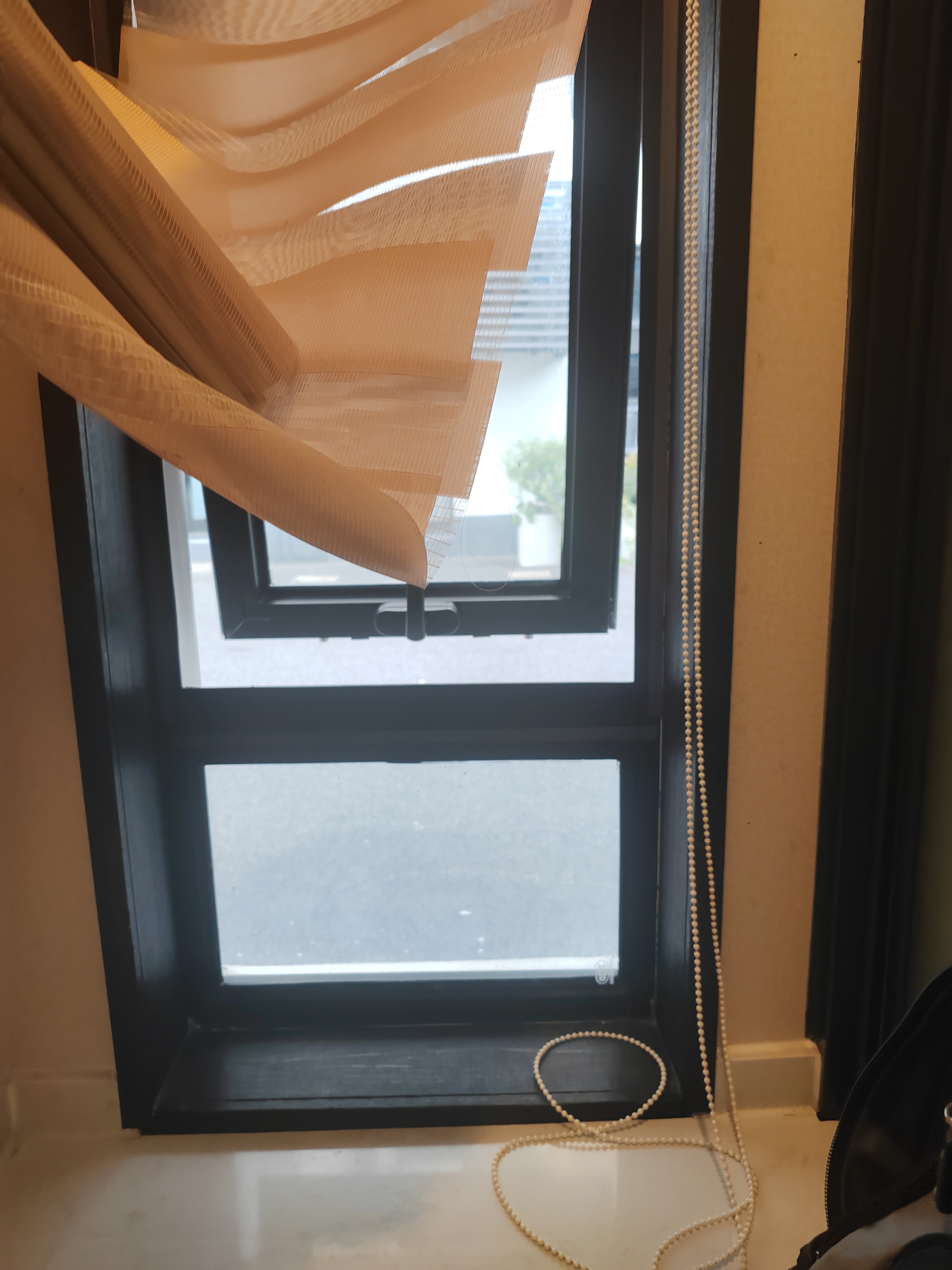
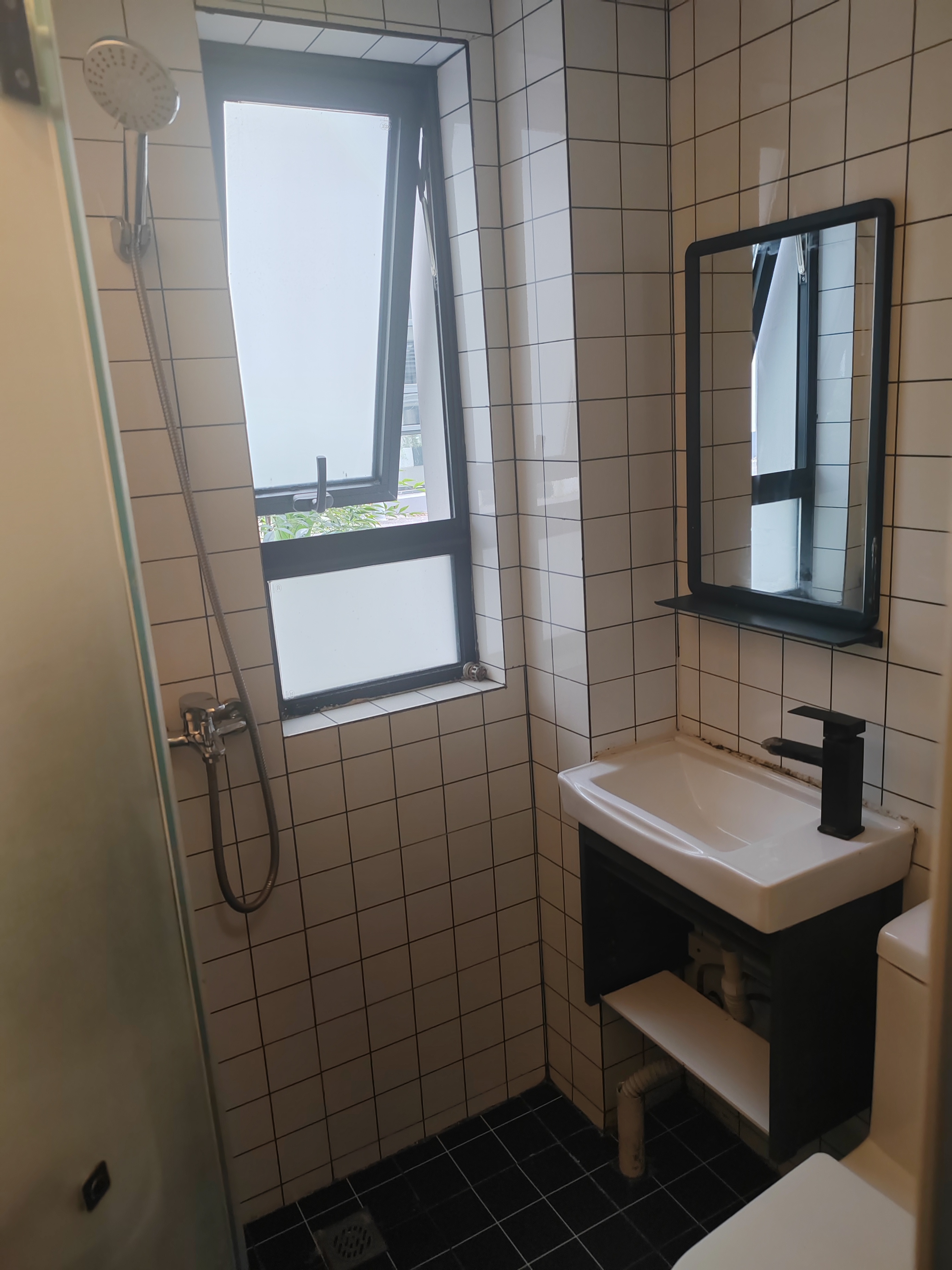
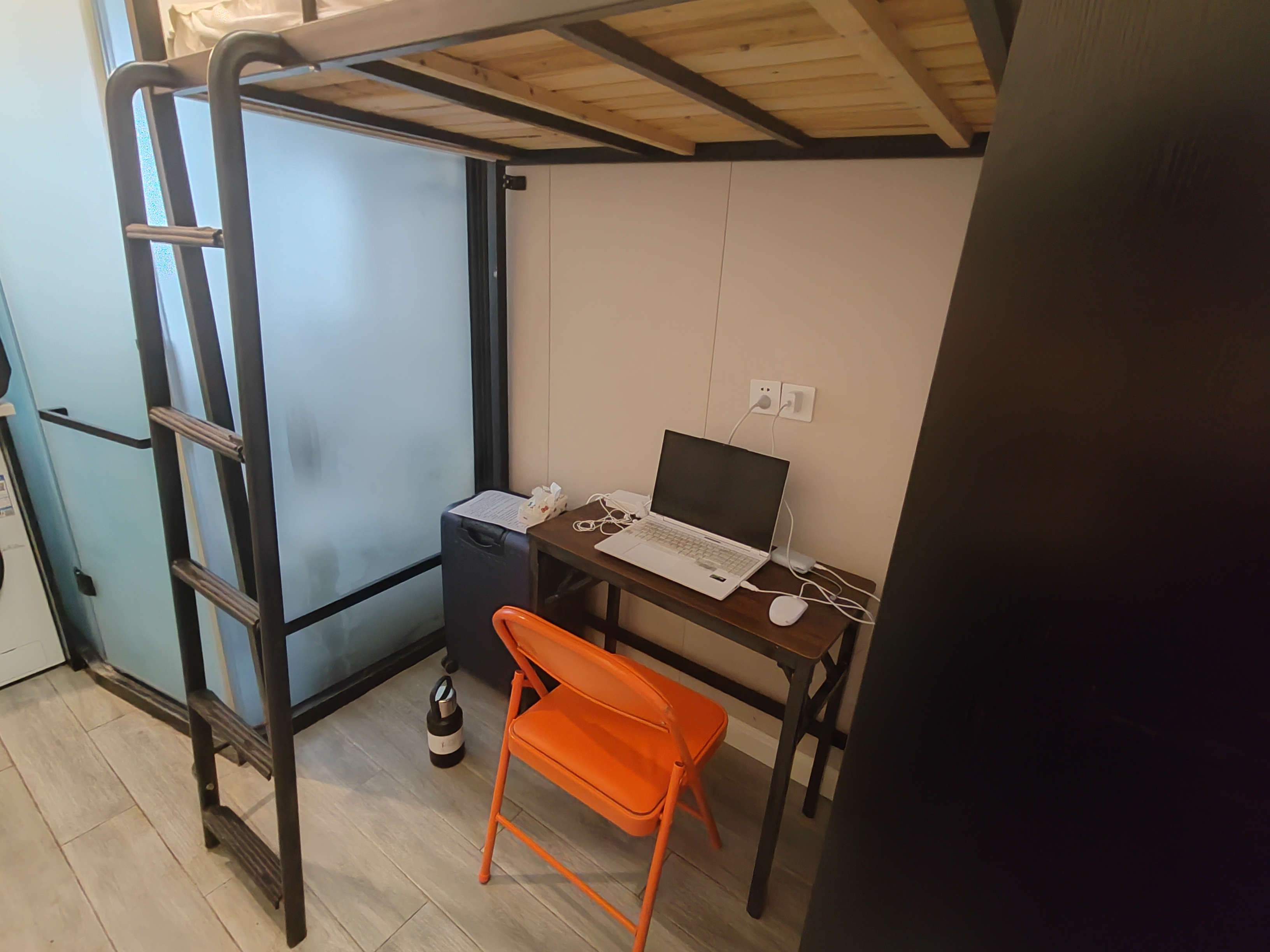
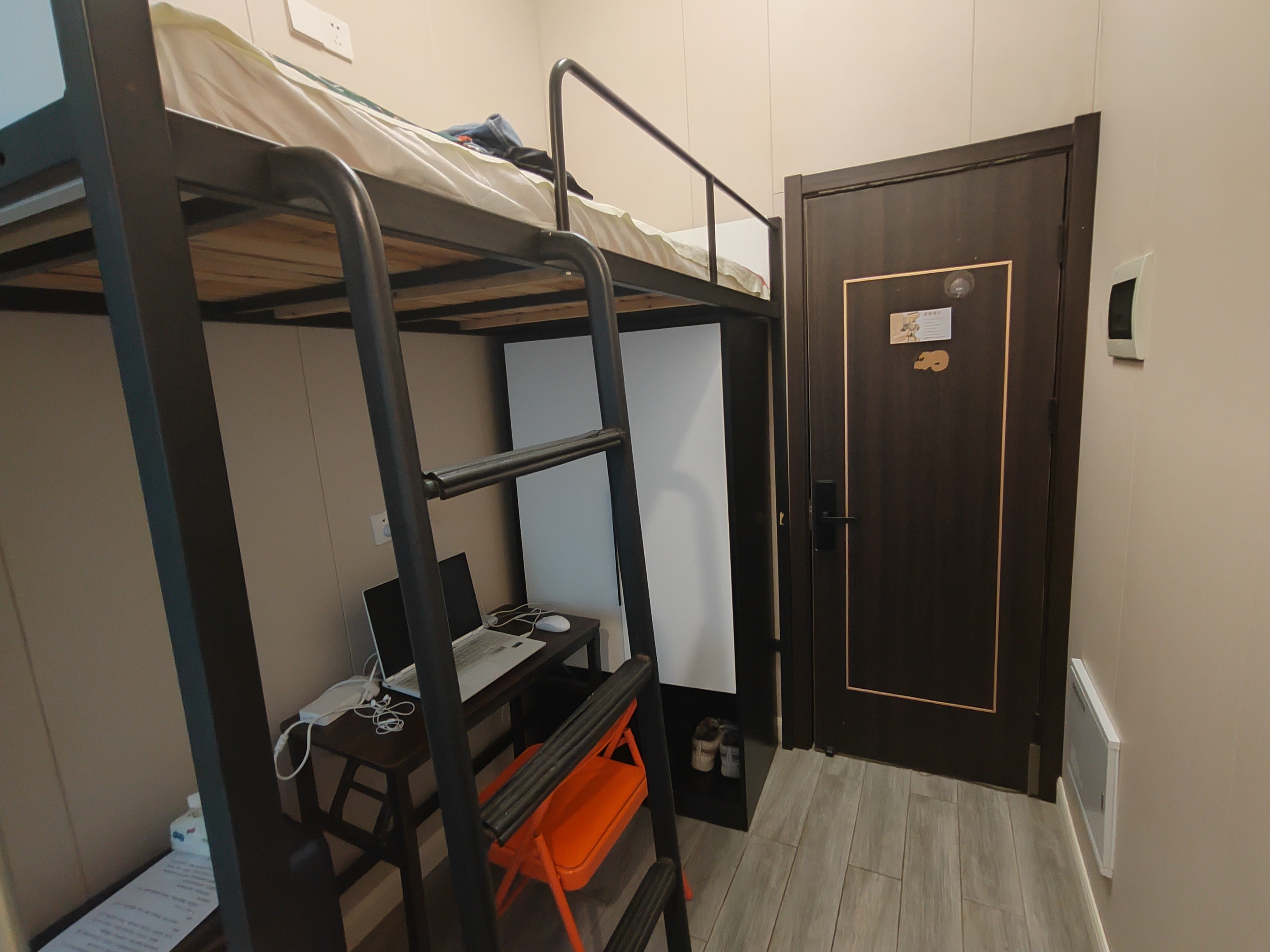
On my very first day I ran into a cockroach — the biggest I have ever seen. I’m terrified of bugs, so it took a long mental buildup before I managed to kill it and clean up. I reflected on why it had appeared, and ever since I started keeping the floor clean and dry, sealing the AC hole with a face towel, throwing takeout bags out immediately without letting them linger for even a second, and turning on the ventilation and AC right after every meal, not a single cockroach has shown up all week.
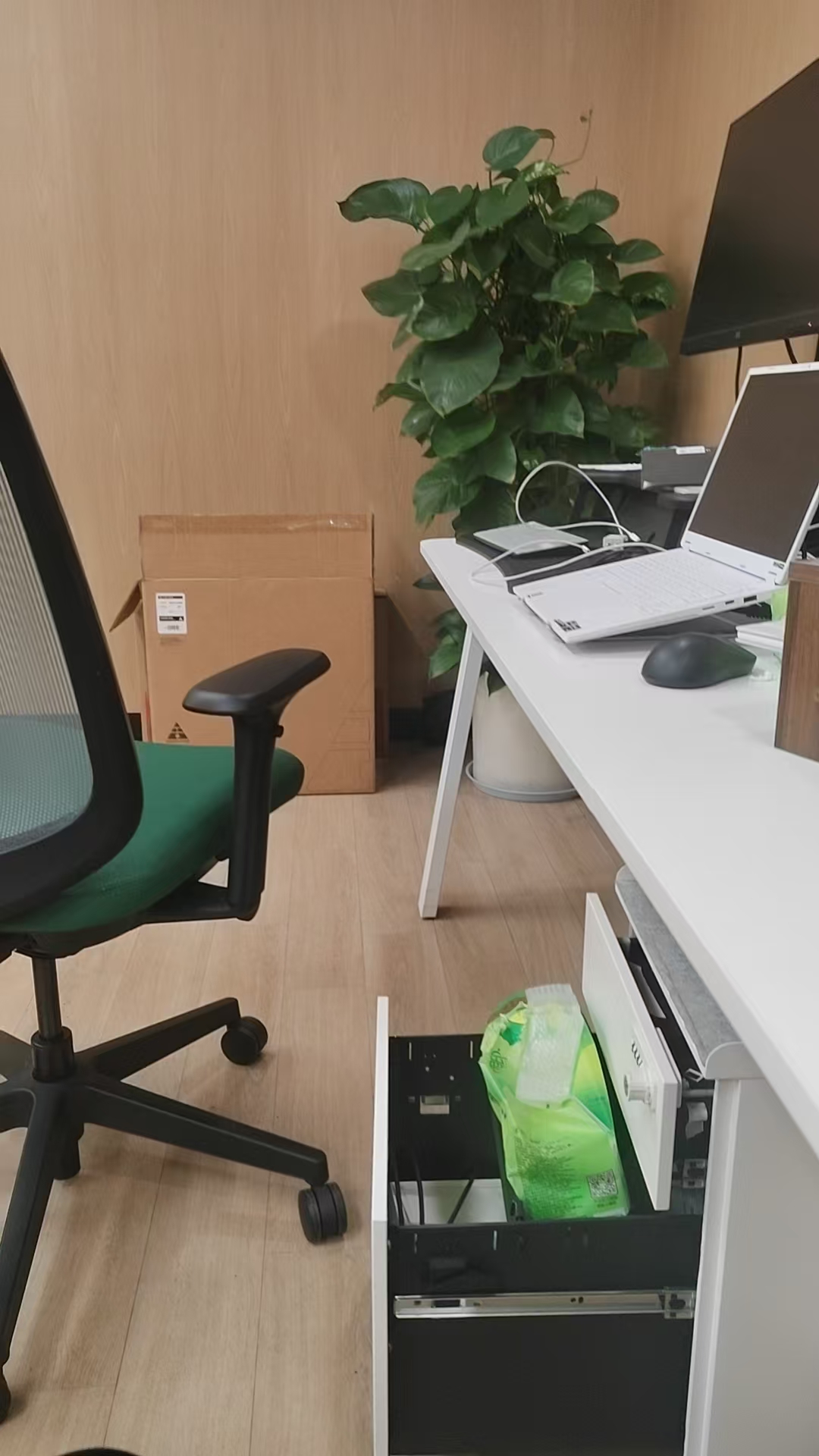
My commute to SAI is about half an hour: a 100-meter walk to the subway, three to four stops, then another 100 meters. The environment at SAI is great. Next year I’ll be doing a year-long internship at our lab’s spin-off company, working on a full-duplex real-time voice interaction end-to-end large model (nicknamed “Big Doubao,” haha). The internship arrangement hasn’t kicked off yet, so for now I’m based at the SAI building — and the company is less than a kilometer away anyway. Many senior students are out on internships, leaving plenty of empty desks, so I picked one to study at, with the finished americano my advisor bought me still sitting on it. Here is what SAI looks like:
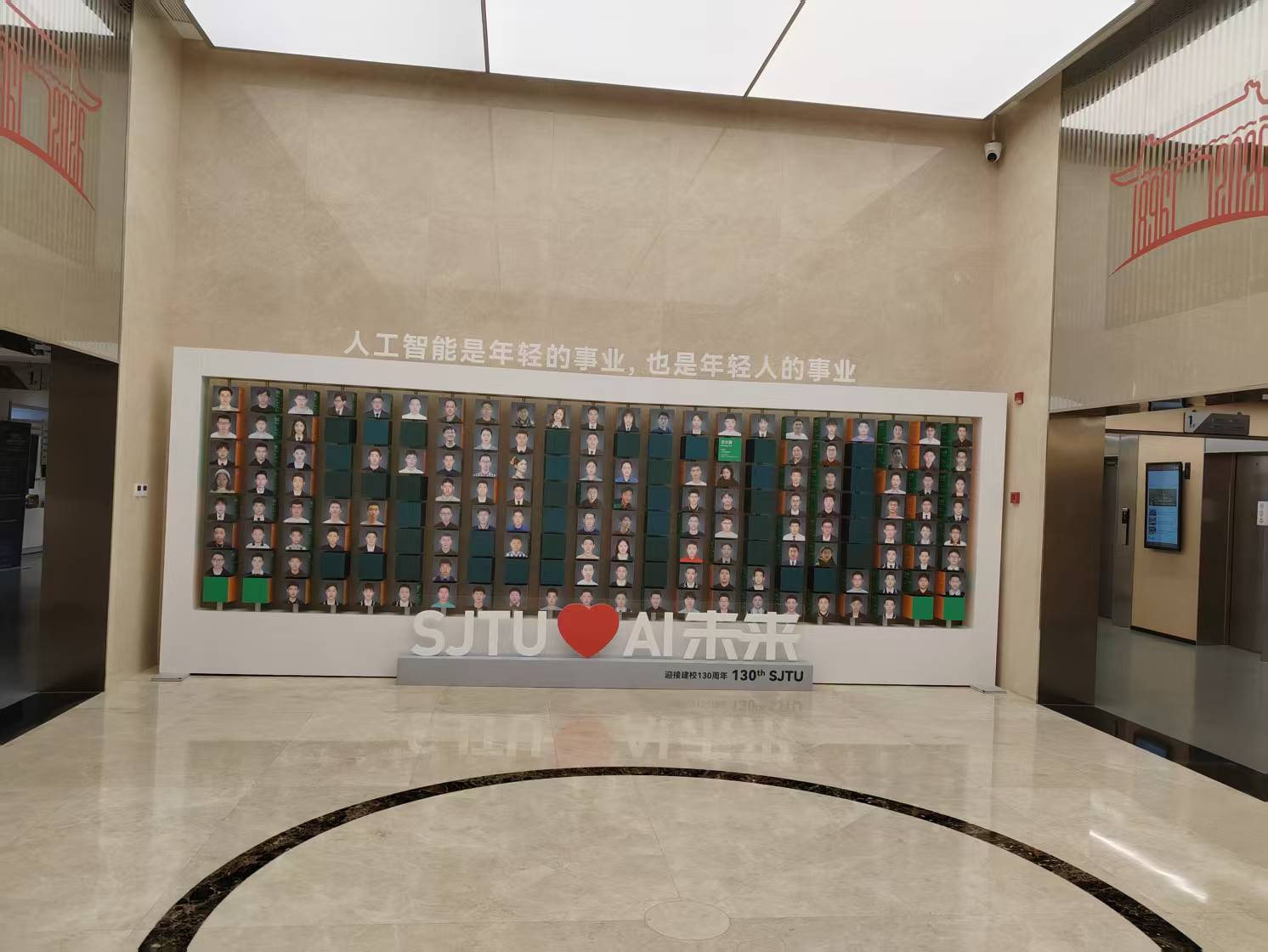
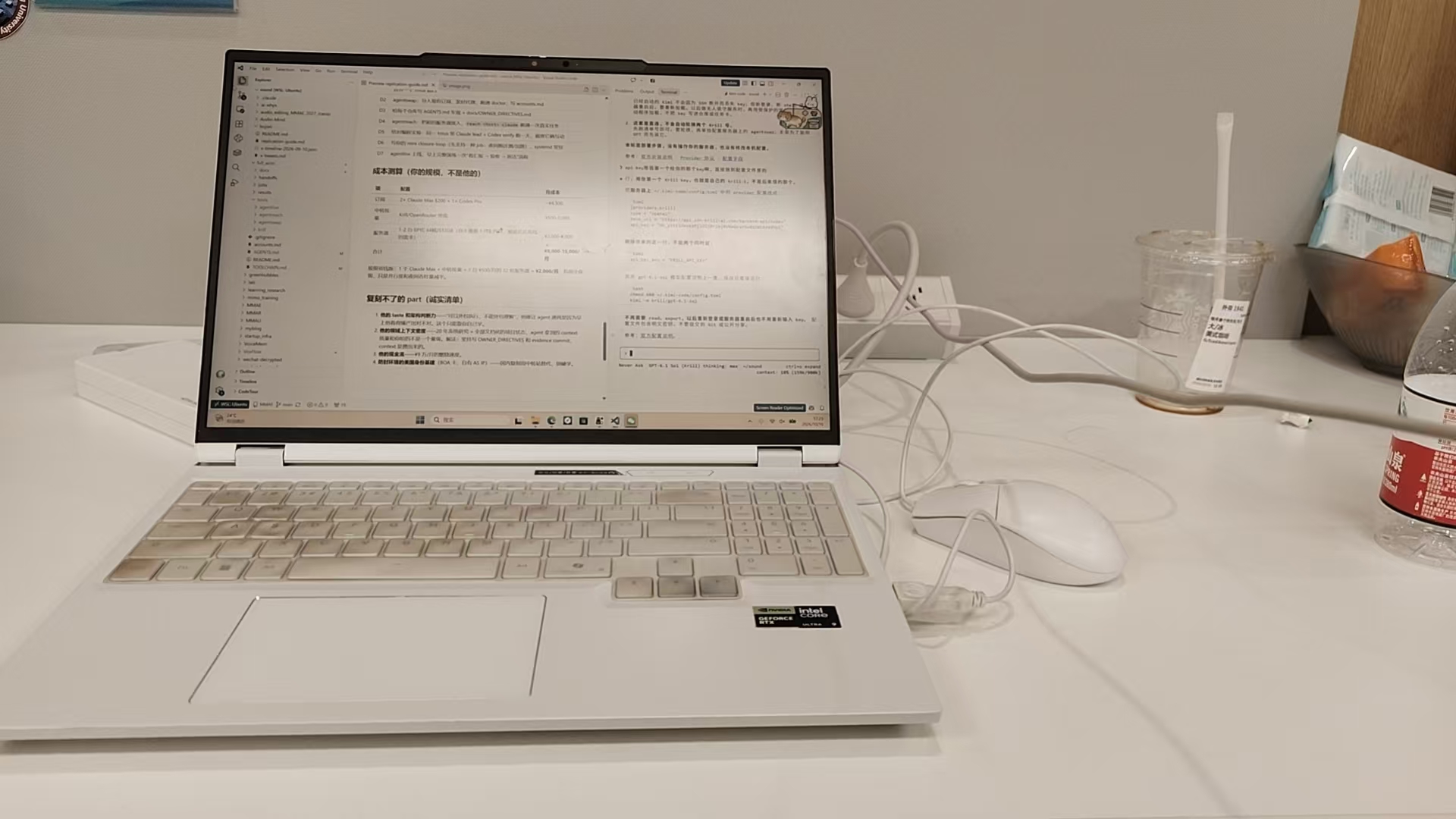
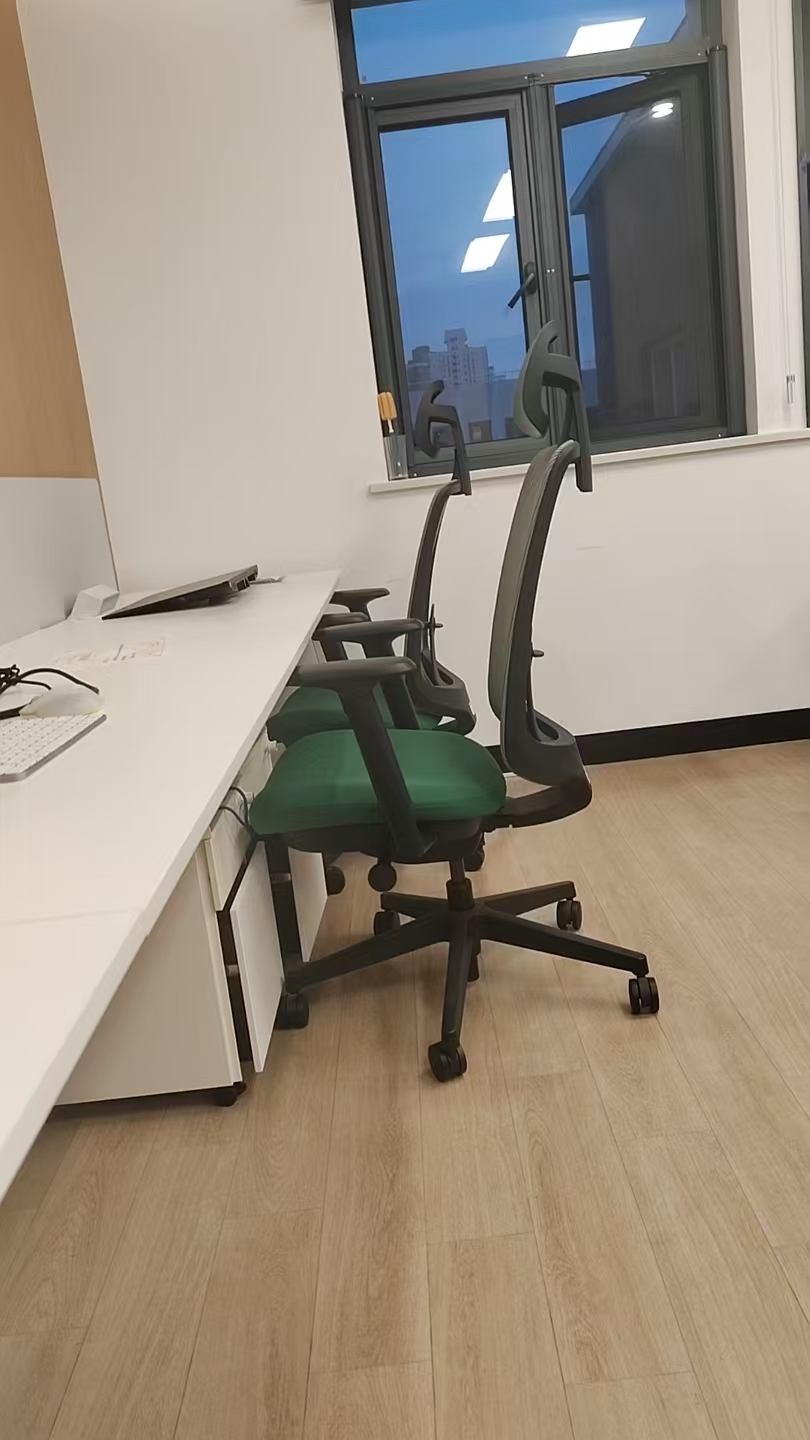
That is life lately. My advisor is very kind — he treated me to lunch and an americano. We had a pleasant academic discussion, and I joined him and a group of industry visitors for a two-hour “roundtable” meeting.
I recently open-sourced a project called ai-whys — 110 stars so far, my first project to cross 100 stars. I plan to keep growing it, aiming for 300+ stars by the end of the year (not sure I can make it, but I’ll try). Honestly, ai-whys is still just the tip of the iceberg; there is a lot of good, foundational work left to do. Next I’ll finish BERT and the optimization algorithms, then follow Mu Li’s paper-reading series, which covers important frontier work like GAN, ViT, RoPE, GPT, MoE, and frontier LLMs. Beyond expanding the DL section, I come from an AI agent background and know that area well, so I’m preparing a third module on AI agents alongside DL and RL — writing it while working through Bojie Li’s open-source AI agent book (81/313 pages so far).
Another clear realization: execution-type tasks suit advance planning, but direction-type questions can’t be planned — you can only place yourself where information density is high and wait for them to appear. AI changes too fast to over-plan. Just do it.
Shao Ailun’s “lean muscle theory” has been trending lately, and I’m planning to buy a couple of dumbbells and start training in my room. He seems to be going through heartbreak, though, so some of his takes are a bit extreme — I’ll just take the reasonable parts. Justin Sun says “AI-ify everything,” and I also noticed that Bojie Li has automated his WeChat chat history in his GitHub repos. So I got on board too — but I don’t do any promotion or distribution (that’s illegal). It’s strictly for personal use: using AI to automatically read my own WeChat chat database.
More and more, I believe that building influence and shipping things that land in the real world is the most important strategy in the AI era — and that curiosity, taste, and restraint are its finest qualities.